QUIET STRENGTH : The Faith, the Hope, and the Heart of a Woman Who Changed a Nation
Inscribed first edition of these personal reflections by the Civil Rights leader, published on the 40th anniversary of her iconic Montgomery bus ride.
Daniel Webster's copy of this 18th-century French Bible, with his bookplate and a note from the buyer who purchased it at the sale of Webster's library in 1875.
First edition of the Union general's memoir, standing as both autobiography and defense of his controversial tenure as commander of the Army of the Potomac.
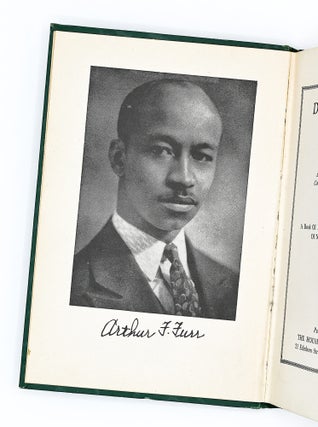
Inscribed first edition ("the first copy [...] off the press") of this landmark history detailing African American contributions during World War II.
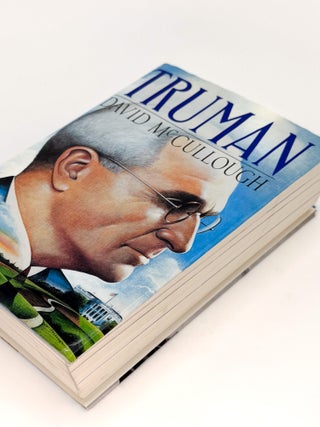
Warmly inscribed first printing of this epic, Pulitzer-winning biography of Harry Truman from one of our finest historians.
Inscribed first edition, association copy, of this essay on the Atlanta Child Murders, presented to the photographer who took Baldwin's author photo for the book.
Scarce Revolutionary War-era almanac featuring one of the earliest accounts of the Battles of Lexington and Concord.
First and only edition of this self-published immigrant memoir in German detailing the author's life in Texas and New Mexico, including his experiences as a Texas Ranger.
Complete 98-issue run of this indispensable document of the Civil Rights and post-Civil Rights eras.
Two-record set of excerpts from a panel discussion on racial relations help in Philadelphia sponsored by The Westinghouse Broadcasting Company's "Group W," which was formed in order to "explore new concepts in radio and television public service programming."
Inscribed first edition by the political activist and professor of Women's Studies and African-American literature — from the library of groundbreaking Black feminist Barbara Smith.
First edition of this eulogy for a white officer who served in the first officially authorized Black Union regiment, declaring slavery as the chief reason for the Confederacy's secession and the purpose of Bingham's service "that men might have freedom to be free."
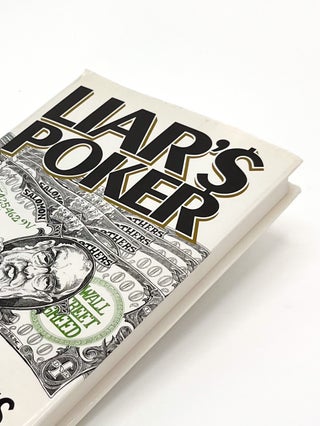
First printing of this bestselling and classic insider account of 1980s "greed is good" Wall Street.
First edition of this scarce dictionary of Black American slang from the latter half of the 20th century, researched and compiled by the great poet and scholar Clarence Major.
Uncommon first printing of the revisionist classic.
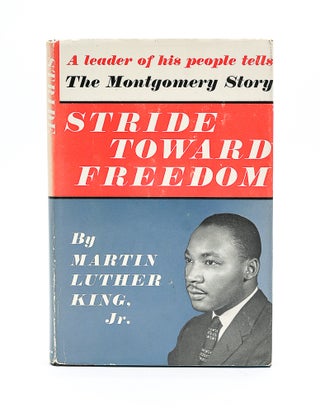
Early printing of King's first book, a memoir of the Montgomery Bus Boycott and an extended argument for the nonviolent philosophy that defined the Civil Rights Movement — inscribed at length in the year of publication by King's lieutenant, Ralph Abernathy.
Second edition of this rare high school history book aimed at teaching Black students about their own history, and encouraging critical thinking about "traditional" historical narratives.
First edition of this Depression-era muckraking account of the 1929 stock market crash (as well as other frauds and swindles) from two lawyers who worked in the New York State Securities Bureau.
First printing, association copy, of this Pulitzer Prize-winning memoir from the trailblazing publisher of the WASHINGTON POST — journalists (and fellow Pulitzer winners) Neil and Susan Sheehan's copy, with two warm letters from Graham laid in.
A solemn and uncommonly unified photo album of a trip, likely by an American Jewish family, to the Łódź Cemetary and surrounding areas.
First edition of this narrative of turn-of-the-century Philadelphia, featuring personal reminiscences of Rittenhouse Square and Center City.
Scarce first edition of this infamous and entirely discredited McCarthy-era anti-gay title.
First trade edition of this groundbreaking collaborative study of the residents of the coastal Gullah region of South Carolina.
First edition of one of the most powerful autobiographies in American literature.
Signed first edition by the Pulitzer Prize winning reporter of this collection of essays, poems, and works of fiction that aimed to "to place the enslavement of Africans at the center of America's story."